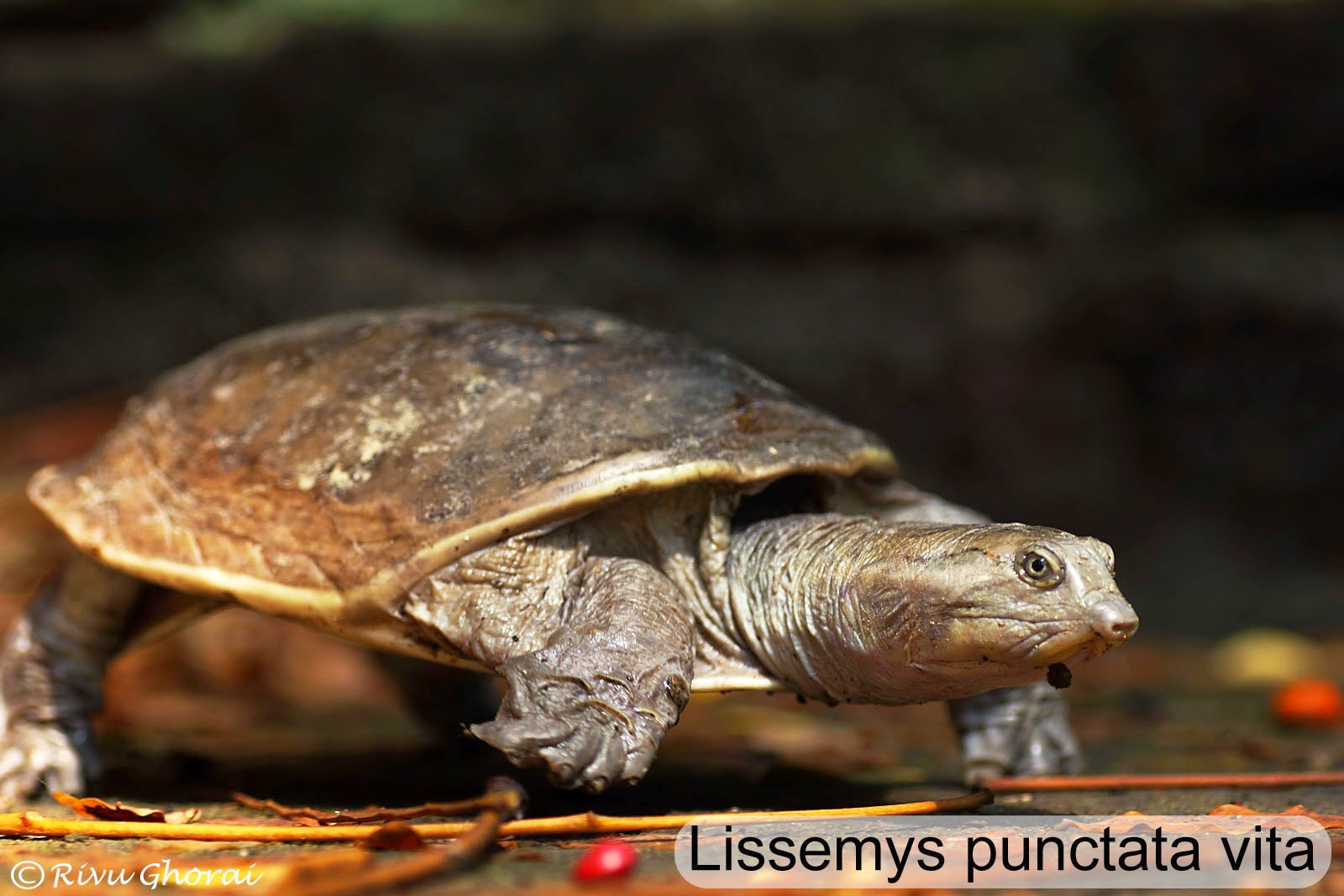
For the last few years, keeping turtle as pet is growing in popularity. It is now easier to contact the bulk seller abroad through social media. So it has become easier to import tiny juvenile turtles of different types. For this reason it is now not only limited to big fish seller only. Now small amateur sellers can also import and sell on their own. This trend is picking up speed. So now we can often find individuals selling turtles in social media platform at very attractive prices as they dont have to bear the extra cost of setting up shop as professional sellers. So this benefits the turtle lovers. They now get quality turtles at reasonable rate. Mostly the Red Eared Slider turtle is available. Then with patience one can find Yellow Bellied Slider too. A few times I have seen Common Snapping Turtle and Alligator Snapping Turtle on sell in Kolkata. Turtle keeping is a very rewarding hobby. The little turtles that are on sell hardly measures 2” in diameter. One can not deny they are too cute to resist. But everyone who ends up buying a turtle do they all really know what the are getting into? What is the environmental effect of this increasing trend of turtle keeping?

First lets find out what are the requirements of a turtle. We will mainly talk about Red Eared Slider (RES). A RES is a native of Southern United States. They are sold at generally 2”-3” in size. Though, their adult size can be upto 16’ in size, their average size is about 6’-8’ in diameter. They live for approx 20-30 years. They are semi-aquatic species. So they need land as well as water to survive. Turtles have their body covered with bony plates which protects them from predators. These plates are made of bones. So they need to sunbath to sock UV-A and UV-B rays for the proper formation of their shells. Otherwise their shell will get deformed which will lead to various health problems. They also need sunlight to regulate their body temperature as they can not generate their body heat as us. They are found big water bodies like pond, swamps, slow moving river etc. They eat everything. Adults are more of a herbivore. But they are very messy eaters.

So what does these all mean to a pet keeper, a person who walks into a pet shop or sees a sell post in social media, a tiny turtle overdosed with cuteness, which compels him to buy one? He should see a responsibility of 20-30 years. And he should also realize that this tiny little turtle will not be this tiny always. It will grow to be atleast 6”-8” in size. Most people here keeps a 2’X1’X1’ tank at home. That is the most popular size. It holds roughly 15 us gallons of water or 56 liters of water. It is okey for a juvenile turtle to start with. But soon a adult RES will need at least a 80-100 us gallons tank for a single individual.this requires a very large tank approximately 5’X1.5’X2’ in size. Feeding them is not a problem as they accept all kind of food readily. Now you can buy a good quality turtle food readily available in the market. But as they are a very messy eaters they create a huge amount of food waste. So you need a very high capacity filtration system which turns the water 5-8 times per hour or you need to water change everyday. They also need a platform outside water level where they can sunbath to maintain their body temperature and proper growth of their shell. For this a full spectrum light and a UV-A UV-B light needs to be installed. Otherwise they will face health problem. Human can also face health problem from them if their environment is not kept clean. All turtles carry Salmonella bacteria. In a dirty turtle tank there is high chance of it to cause Salmonella poisoning in human associated with the turtle. For this reason selling of RES is banned for pet trade in Australia, USA and many other countries. Now if you want to keep any other turtle, increase or decrease the aquarium size in the relation of the adult shell size of the turtles with respect to RES. You will get a general idea. So if you want to keep turtle as pet, you should be ready to provide all these to it, then only it will be able to enjoy to live a happy life and you will be able to enjoy your turtle to the fullest.

But do everyone who buys a turtle provides all this? What happens when they find out that it is too much responsibility for them? Or may be this turtle is not so tiny and cute anymore? This usually leads to two things. Either the tiny little turtle dies a premature death because of poor husbandry in their first few months or they survive all the odds somehow and eventually grows to be a adult turtle. RES is very hardy species. That is why they are so popular in pet trade. If they survive their first 1-2 years, they generally live their full life. So when they out grows their small tank, they are now not so cute and tiny, most of the irresponsible pet owners release them in the wild. This causes very serious environmental impact.

These turtles come to maturity in a relatively early stage at 5-6 years. So they take less time to start breeding. They are tough, well protected and omnivore, so they adopt to different environment very easily. These traits have established itself in many places in the world decreasing the local turtle population. This way it has made its way in the IUCN list of ‘Worlds 100 most invasive species’. Many states of USA has banned its import. Australia, Japan and many other country has also banned its import. Queensland province of Australia alone has invested $1 million AUD for eradication of RES.

Situation in India is not that bad until now. But it has definitely started to worsen. A researchgate paper reports of sighting of RES in Goa in a state wide survey done in June, 2012- December, 2015 time frame. Deccan Chronicle of dated 07 November, 2016 reports that many RES were spotted in the lakes of Hyadrabad. An academia.edu paper reports of a RES sighting in Malan river near Bhavnagar, Gujrat on 10th August, 2014. A article in babushahi.com report about a RES sighting in Sukhna lake, Chandigarh on 12th March, 2016. In our state West Bengal, in a article in thebhs.org dated 3rd November, 2018 reported about a RES sighting in Rajarhat Wetlands, Kolkata on 19th August, 2015. On 16th January, 2020 Tirthankar Roy posted in a few Facebook group about RES sighting in Rabindra Sarobar lake, Kolkata.

There could be many more sightings in various parts of our country. These are just a few that came upon a quick google search. In Kolkata thousands of baby turtles are now imported from China and South East Asian countries. Most of these will die in the hand of ignorant pet keepers. Those who survive, a part of them are kept by the responsible keepers, others are dumped in the local pond or lake. Then they become invasive. The responsibility lies on three persons shoulder. Firstly the pet keeper, we have to know all about them and will have to decide if we really can take proper care of it for its life time ie. 20-30 years. Only then we should go ahead. Second person is the seller. They should inform the buyer properly about the care and responsibility of keeping this turtle. Instead of that in most times the seller misguides the buyer that the turtles will stay this small and it is okey to put them in a fishtank. The third person is the government. They have to make a proper guideline to restrict the trade otherwise at this rate it will not take long for us to loose some of our native freshwater turtle species from the wild due to pressure from RES and other exotic turtle species.

This popularity in turtle keeping has created another problem in sub-urban areas where exotic turtles are mostly unavailable. There sellers are selling baby soft shell turtles and other native turtles to keep in aquariums. This is illegal. Keeping an exotic species of turtle is still not illegal in our country but keeping any native turtle is illegal. All the native turtles are protected under Indian Wildlife (Protection) Act, 1972. So buying, selling, keeping or eating any native t
urtle species will attract an imprisonment of 3 years or fine of INR 5000 or both. So people who are thinking of keeping a native turtle as pet, please dont. It can cause you serious legal problem.
***all the images are collected from internet. copyright of the images are with their rightfull owner. these are used only for educational purpose.

First lets find out what are the requirements of a turtle. We will mainly talk about Red Eared Slider (RES). A RES is a native of Southern United States. They are sold at generally 2”-3” in size. Though, their adult size can be upto 16’ in size, their average size is about 6’-8’ in diameter. They live for approx 20-30 years. They are semi-aquatic species. So they need land as well as water to survive. Turtles have their body covered with bony plates which protects them from predators. These plates are made of bones. So they need to sunbath to sock UV-A and UV-B rays for the proper formation of their shells. Otherwise their shell will get deformed which will lead to various health problems. They also need sunlight to regulate their body temperature as they can not generate their body heat as us. They are found big water bodies like pond, swamps, slow moving river etc. They eat everything. Adults are more of a herbivore. But they are very messy eaters.

So what does these all mean to a pet keeper, a person who walks into a pet shop or sees a sell post in social media, a tiny turtle overdosed with cuteness, which compels him to buy one? He should see a responsibility of 20-30 years. And he should also realize that this tiny little turtle will not be this tiny always. It will grow to be atleast 6”-8” in size. Most people here keeps a 2’X1’X1’ tank at home. That is the most popular size. It holds roughly 15 us gallons of water or 56 liters of water. It is okey for a juvenile turtle to start with. But soon a adult RES will need at least a 80-100 us gallons tank for a single individual.this requires a very large tank approximately 5’X1.5’X2’ in size. Feeding them is not a problem as they accept all kind of food readily. Now you can buy a good quality turtle food readily available in the market. But as they are a very messy eaters they create a huge amount of food waste. So you need a very high capacity filtration system which turns the water 5-8 times per hour or you need to water change everyday. They also need a platform outside water level where they can sunbath to maintain their body temperature and proper growth of their shell. For this a full spectrum light and a UV-A UV-B light needs to be installed. Otherwise they will face health problem. Human can also face health problem from them if their environment is not kept clean. All turtles carry Salmonella bacteria. In a dirty turtle tank there is high chance of it to cause Salmonella poisoning in human associated with the turtle. For this reason selling of RES is banned for pet trade in Australia, USA and many other countries. Now if you want to keep any other turtle, increase or decrease the aquarium size in the relation of the adult shell size of the turtles with respect to RES. You will get a general idea. So if you want to keep turtle as pet, you should be ready to provide all these to it, then only it will be able to enjoy to live a happy life and you will be able to enjoy your turtle to the fullest.

But do everyone who buys a turtle provides all this? What happens when they find out that it is too much responsibility for them? Or may be this turtle is not so tiny and cute anymore? This usually leads to two things. Either the tiny little turtle dies a premature death because of poor husbandry in their first few months or they survive all the odds somehow and eventually grows to be a adult turtle. RES is very hardy species. That is why they are so popular in pet trade. If they survive their first 1-2 years, they generally live their full life. So when they out grows their small tank, they are now not so cute and tiny, most of the irresponsible pet owners release them in the wild. This causes very serious environmental impact.

These turtles come to maturity in a relatively early stage at 5-6 years. So they take less time to start breeding. They are tough, well protected and omnivore, so they adopt to different environment very easily. These traits have established itself in many places in the world decreasing the local turtle population. This way it has made its way in the IUCN list of ‘Worlds 100 most invasive species’. Many states of USA has banned its import. Australia, Japan and many other country has also banned its import. Queensland province of Australia alone has invested $1 million AUD for eradication of RES.

Situation in India is not that bad until now. But it has definitely started to worsen. A researchgate paper reports of sighting of RES in Goa in a state wide survey done in June, 2012- December, 2015 time frame. Deccan Chronicle of dated 07 November, 2016 reports that many RES were spotted in the lakes of Hyadrabad. An academia.edu paper reports of a RES sighting in Malan river near Bhavnagar, Gujrat on 10th August, 2014. A article in babushahi.com report about a RES sighting in Sukhna lake, Chandigarh on 12th March, 2016. In our state West Bengal, in a article in thebhs.org dated 3rd November, 2018 reported about a RES sighting in Rajarhat Wetlands, Kolkata on 19th August, 2015. On 16th January, 2020 Tirthankar Roy posted in a few Facebook group about RES sighting in Rabindra Sarobar lake, Kolkata.

There could be many more sightings in various parts of our country. These are just a few that came upon a quick google search. In Kolkata thousands of baby turtles are now imported from China and South East Asian countries. Most of these will die in the hand of ignorant pet keepers. Those who survive, a part of them are kept by the responsible keepers, others are dumped in the local pond or lake. Then they become invasive. The responsibility lies on three persons shoulder. Firstly the pet keeper, we have to know all about them and will have to decide if we really can take proper care of it for its life time ie. 20-30 years. Only then we should go ahead. Second person is the seller. They should inform the buyer properly about the care and responsibility of keeping this turtle. Instead of that in most times the seller misguides the buyer that the turtles will stay this small and it is okey to put them in a fishtank. The third person is the government. They have to make a proper guideline to restrict the trade otherwise at this rate it will not take long for us to loose some of our native freshwater turtle species from the wild due to pressure from RES and other exotic turtle species.

This popularity in turtle keeping has created another problem in sub-urban areas where exotic turtles are mostly unavailable. There sellers are selling baby soft shell turtles and other native turtles to keep in aquariums. This is illegal. Keeping an exotic species of turtle is still not illegal in our country but keeping any native turtle is illegal. All the native turtles are protected under Indian Wildlife (Protection) Act, 1972. So buying, selling, keeping or eating any native t
***all the images are collected from internet. copyright of the images are with their rightfull owner. these are used only for educational purpose.